
Connected Process Control, Part 4 : Torque Tool Integration - Precision, Control, and Documentation in One Step
This is Part 4 (final) of a 4-part series on Epicor Connected Process Control (CPC).
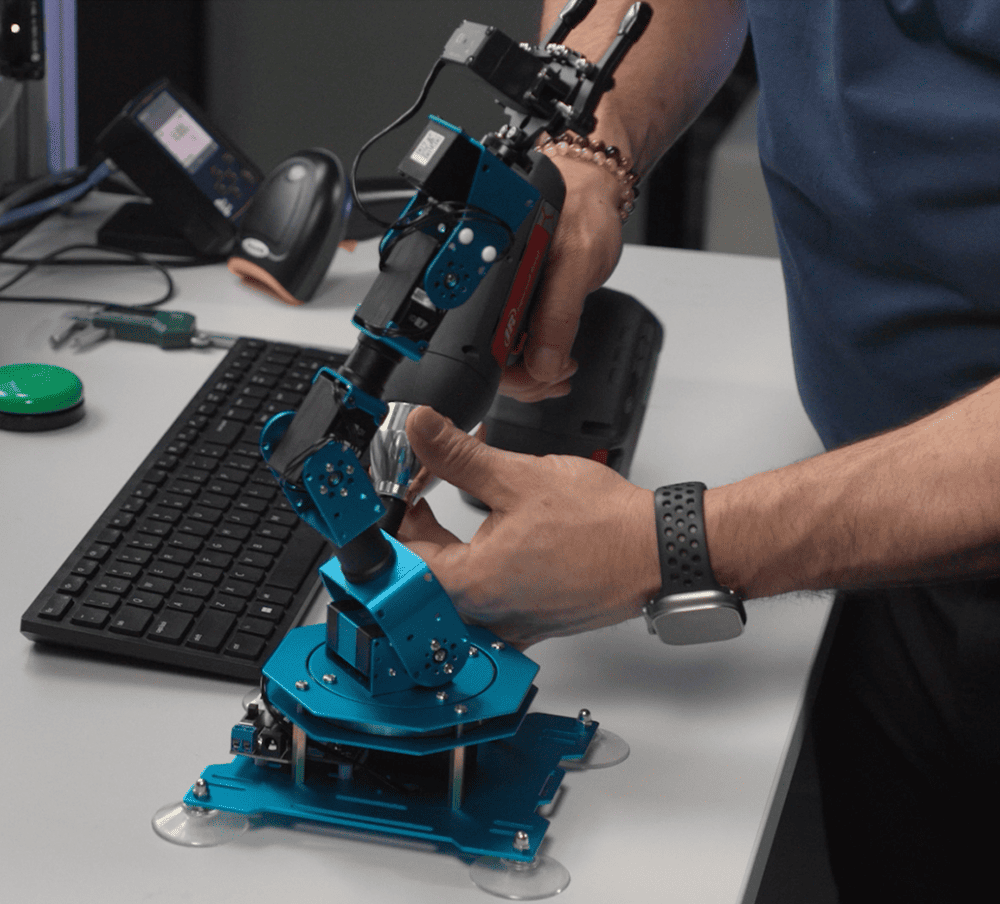
Picture a torque wrench clicking on a fastener, an operator moving to the next step, and a unit rolling off the line. All of this is happening before anyone notices the reading was 15% under spec. Unfortunately, nobody caught it in the moment. It might surface in a random audit a few weeks later, or it might not surface until a customer complaint, or a recall. It’s never a good time for a recall, but when the part is destined for an automotive chassis, an aircraft bracket, or a surgical instrument tray, we now have a serious safety issue.
This is the scenario Part 4 of this series exists to close out. Over the last three blogs, we’ve walked through how Epicor Connected Process Control guides operators through each step, stops the line when something goes out of spec, and builds a traceability record in the background. Torque tools are where all three of those ideas become one physical action at a single workstation.
CPC connects directly with IoT devices on the shop floor, including barcode scanners, vision systems, sensors, and torque tools, to create a single digital ecosystem where data moves in real time. When a torque tool is integrated into a CPC work instruction, the reading is no longer a separate quality check bolted onto the process. It is the process. The operator tightens the fastener as the instruction directs, and the torque value feeds back into CPC the instant the tool clicks.
That single reading now does three jobs at once. First, it’s part of the guided step itself. The operator sees confirmation that the fastening action was completed. Second, if the reading falls outside the specified range, CPC can trigger an error-proofing response in the form of an Andon-style stop, before the part is allowed to advance. This is the same mechanism we covered in Part 2, just triggered by a torque sensor instead of a scan or a vision check. Third, the value is logged automatically against that specific unit’s serial number, becoming part of the traceability record from Part 3, no clipboard or spreadsheet needed.
Precision, control, and documentation are three things that traditionally lived in three different systems, can now happen in the same one or two seconds it takes to torque a bolt. Epicor reports that manufacturers using this kind of real-time, connected monitoring have reduced downtime by up to 30%.
See It in Action
Want to see torque tool integration inside a live CPC work instruction?
This closes out our four-part look at Epicor Connected Process Control. If any of this sounds like a gap on your own line, it might be worth a short conversation about what CPC would actually look like running on your equipment. No pitch deck required.
Grab 30 minutes with Joe Schuman and bring your toughest fastening scenario; we’ll talk through it together.